Teak, coffee, cocoa and carbon
Complementary businesses on the same land, each maturing at a different pace, and together worth more than the sum of their parts.
Premium plantation teak
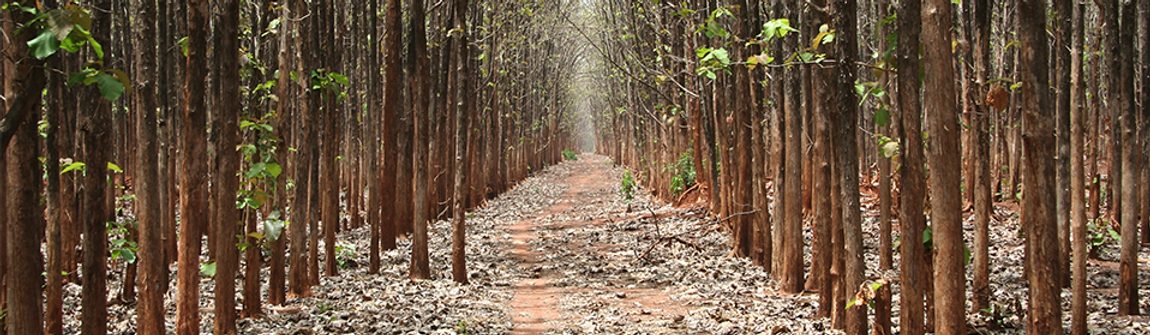
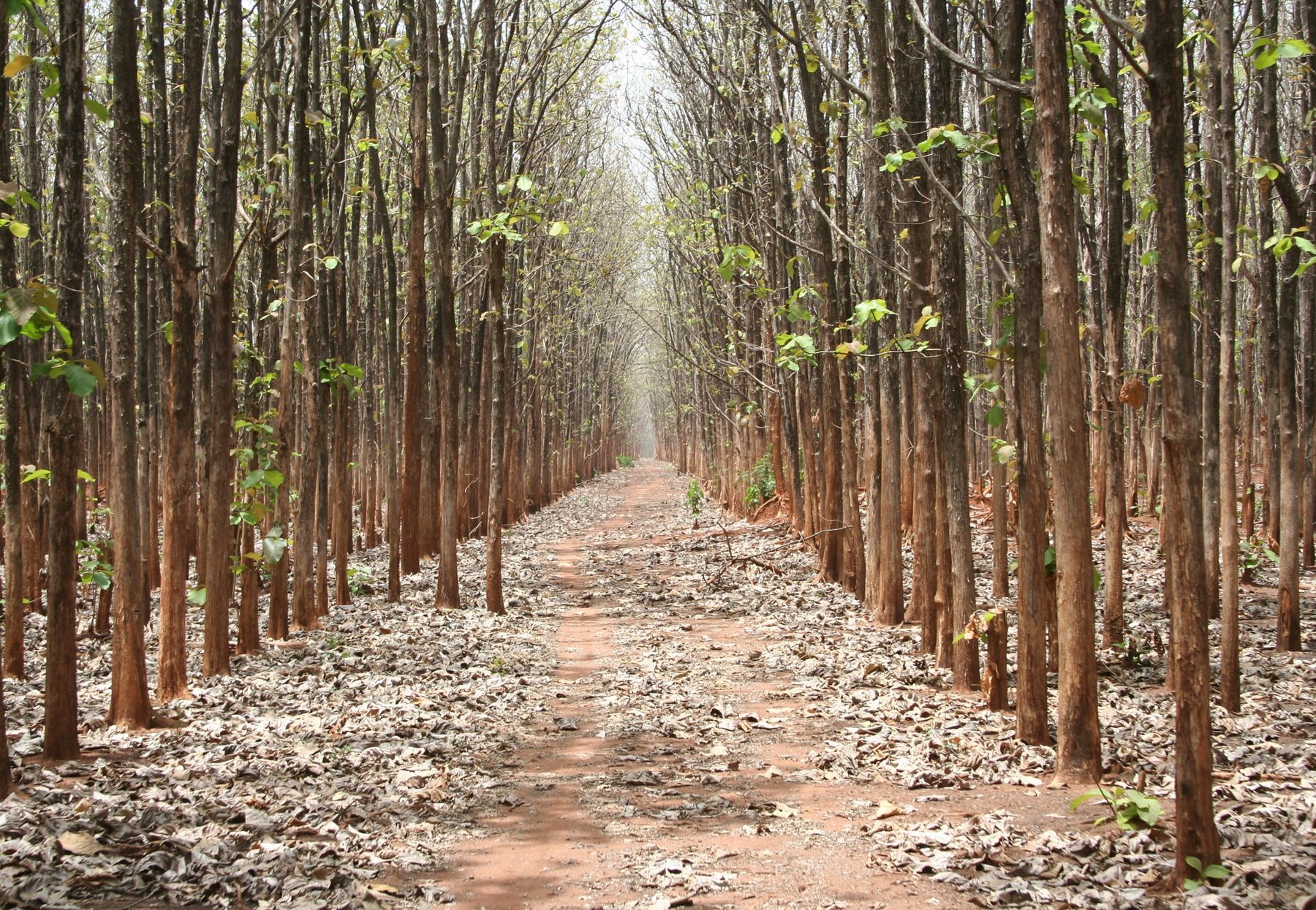
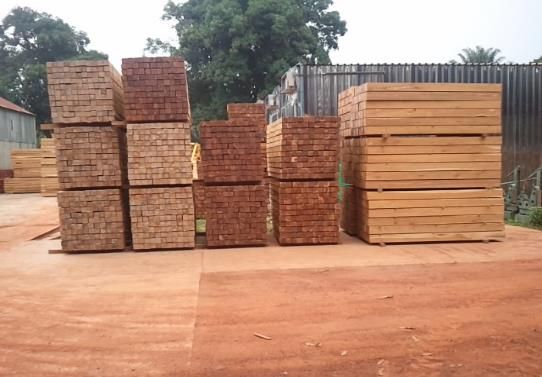
South Sudanese teak (Tectona grandis) is dense, fine-grained and honey-coloured, and can rival Myanmar teak in quality.
We manage the full chain in-house, from nursery and establishment through silviculture, fire management, harvesting and processing. Portable sawmills close to each plantation block reduce waste and transport costs, and we produce export-grade logs and sawn timber for international markets, where India has historically been our main buyer.
Teak’s natural oils, strength and tight grain make it durable and moisture-resistant, ideal for outdoor furniture, marine use, decking and premium interiors. Myanmar has restricted natural-forest exports, and legality and traceability standards are tightening. As a result, well-managed plantation teak with verifiable provenance is increasingly the only scalable source of premium supply.
Our plans
- Grow the platform from 3,253 ha of planted teak to a sustainable total of around 9,565 ha.
- ETC: expand to 4,000 ha for a steady rotational harvest of about 160 ha a year on a 25-year cycle.
- GEF: establish about 1,590 ha by 2031 and 5,565 ha by 2045, piloting a teak outgrower model.
- Pursue FSC re-certification to widen access to European and North American markets.
Reviving an origin with Excelsa coffee
We are not following an existing coffee industry in South Sudan. We are reviving a dormant origin in Nzara County, where coffee once thrived.
After trials from 2018 of Arabica, Robusta and Excelsa, we chose Excelsa (Coffea liberica var. dewevrei) for its drought and heat tolerance at lower altitudes. It accounts for less than 1% of the world’s coffee and is attracting growing interest from specialty buyers. It has a distinctive cup, with notes of milk chocolate, dark fruit and hazelnut, and naturally low bitterness.
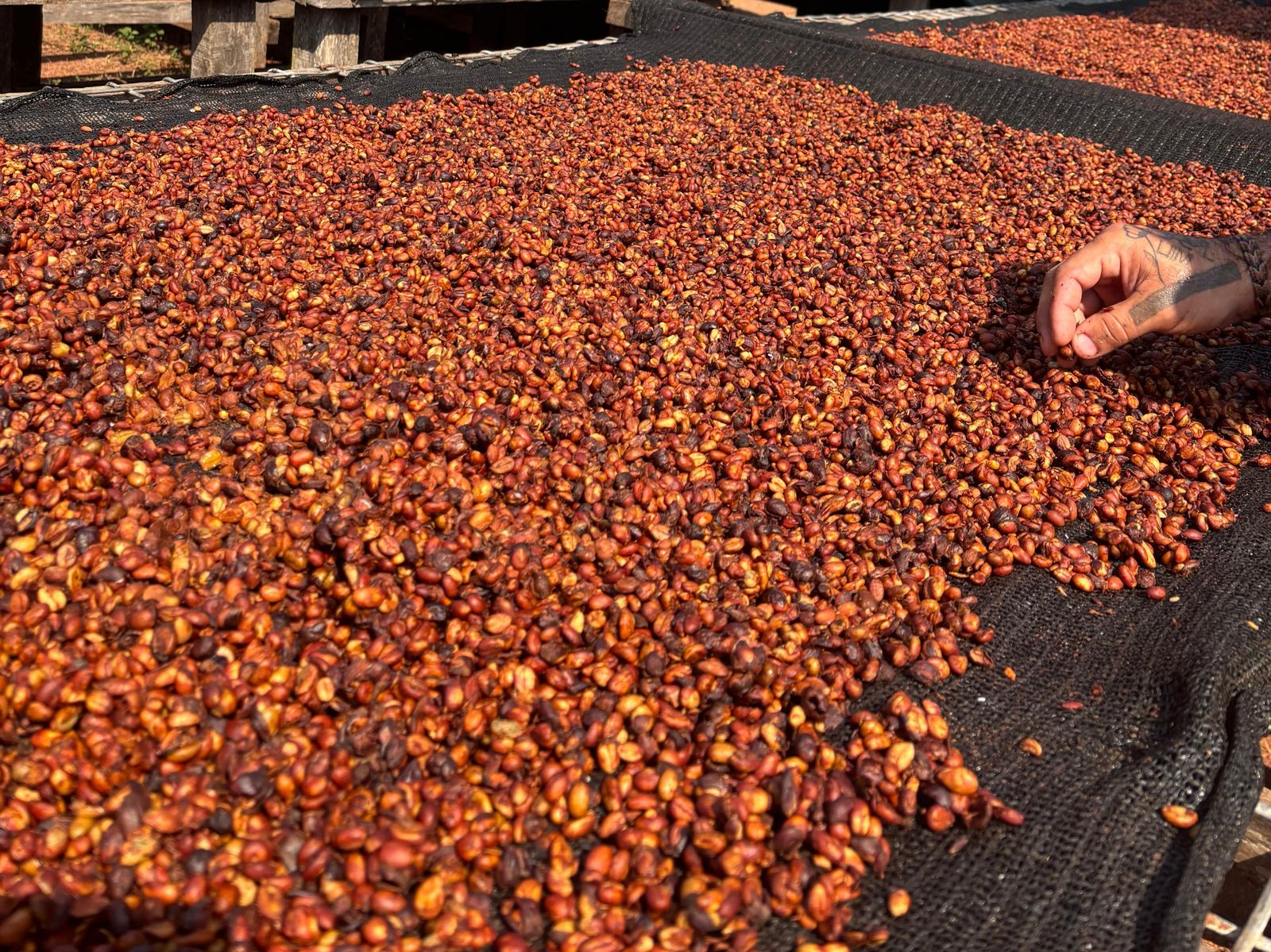
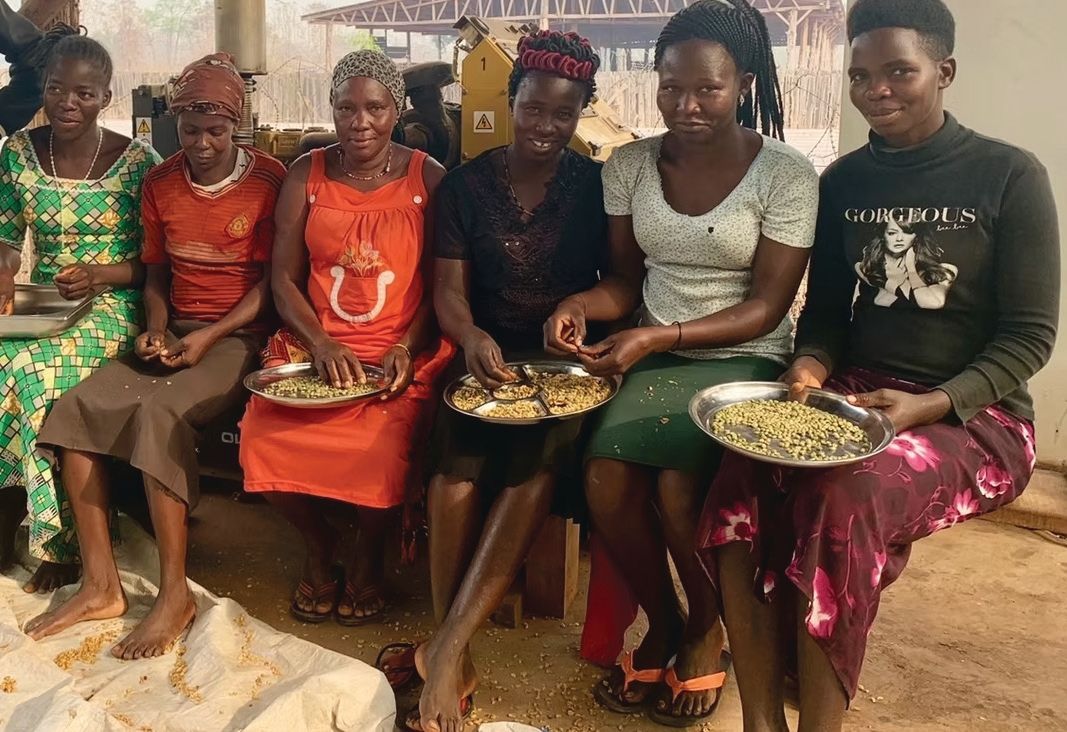
Through the “Excelling in Excelsa” public-private partnership, ETC supplies seedlings and extension support to smallholders, many of them women and young people, and buys their cherries for processing at our wet and dry mills in Nzara. The coffee is sold as traceable green coffee under the Equatoria Coffee brand. Our outgrower plots have been assessed against the EU Deforestation Regulation (EUDR), with 92% classified as low-risk.
Our plans
- ETC estate coffee from 83 ha to 200 ha, and outgrower coffee from ~740 ha to ~1,980 ha, targeting around 800 tonnes a year.
- GEF (Uganda): 350 ha of estate agroforestry coffee plus 700 ha with outgrowers.
- Together, a platform target of around 1,400 tonnes of export-ready coffee a year.
Cocoa: an outgrower platform in the making
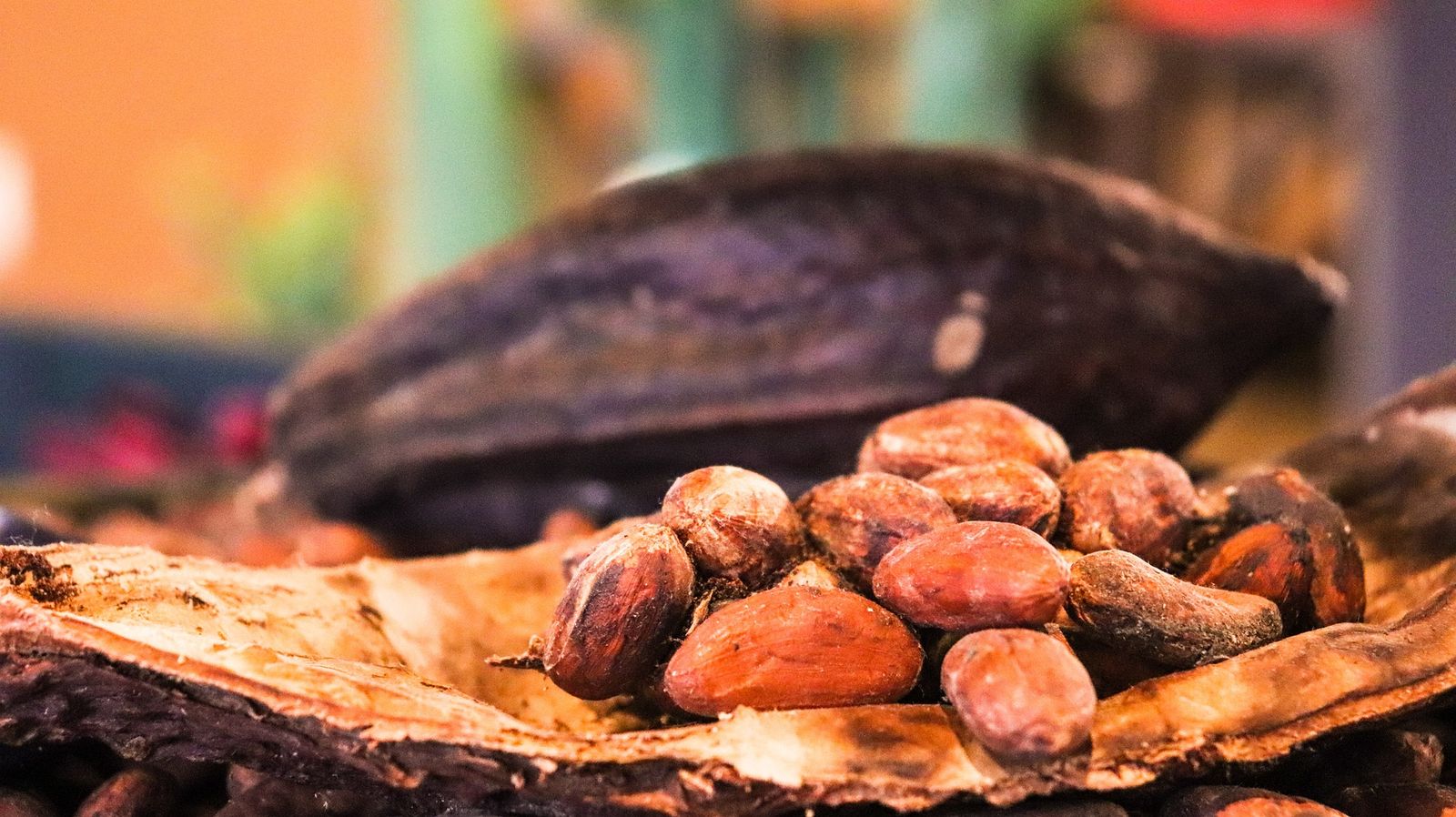
Cocoa suits our outgrower model. Its value comes from organising farmers into reliable supply of consistent quality.
Global cocoa supply is concentrated in a few West African origins and exposed to weather and disease. Buyers are looking for alternative origins that are traceable and compliant with deforestation rules. East Africa can meet that demand if quality is delivered at scale.
We are building cocoa alongside coffee. That means farmer aggregation, inputs and extension, careful fermentation and drying, and secure offtake, with compliance built in from the start.
Our plans
- A 75 ha cocoa estate at ETC as proof of concept.
- A 500 ha outgrower programme aligned with the coffee network.
- Continued trials of cocoa, coffee and vanilla at our Nangondi R&D site.
High-integrity carbon removals
The voluntary carbon market is going through an integrity-led reset, and buyers are increasingly favouring high-quality removals over avoidance credits. That is the lane our Ugandan project is designed for.
In Uganda, Green Environ Forestry is an afforestation, reforestation and revegetation (ARR) programme on a long-dated forest reserve licence. It is being developed under Verra’s VM0047 methodology and the Climate, Community & Biodiversity (CCB) standards, and aligned with the ICVCM Core Carbon Principles. Removals come from teak, coffee agroforestry, indigenous planting and assisted natural regeneration. In South Sudan, ETC’s carbon potential sits on a separate VCS AR-ACM0003 pathway.
Carbon is one layer of the platform, not the whole of it. Timber and coffee diversify the business, so it does not depend on carbon prices or the timing of issuance, while keeping the upside from quality removals and emerging nature and biodiversity credits.