Jobs, livelihoods and restored landscapes
Our commercial success depends on our social licence. We link jobs, community investment and farm incomes to restored land.
A material local employer
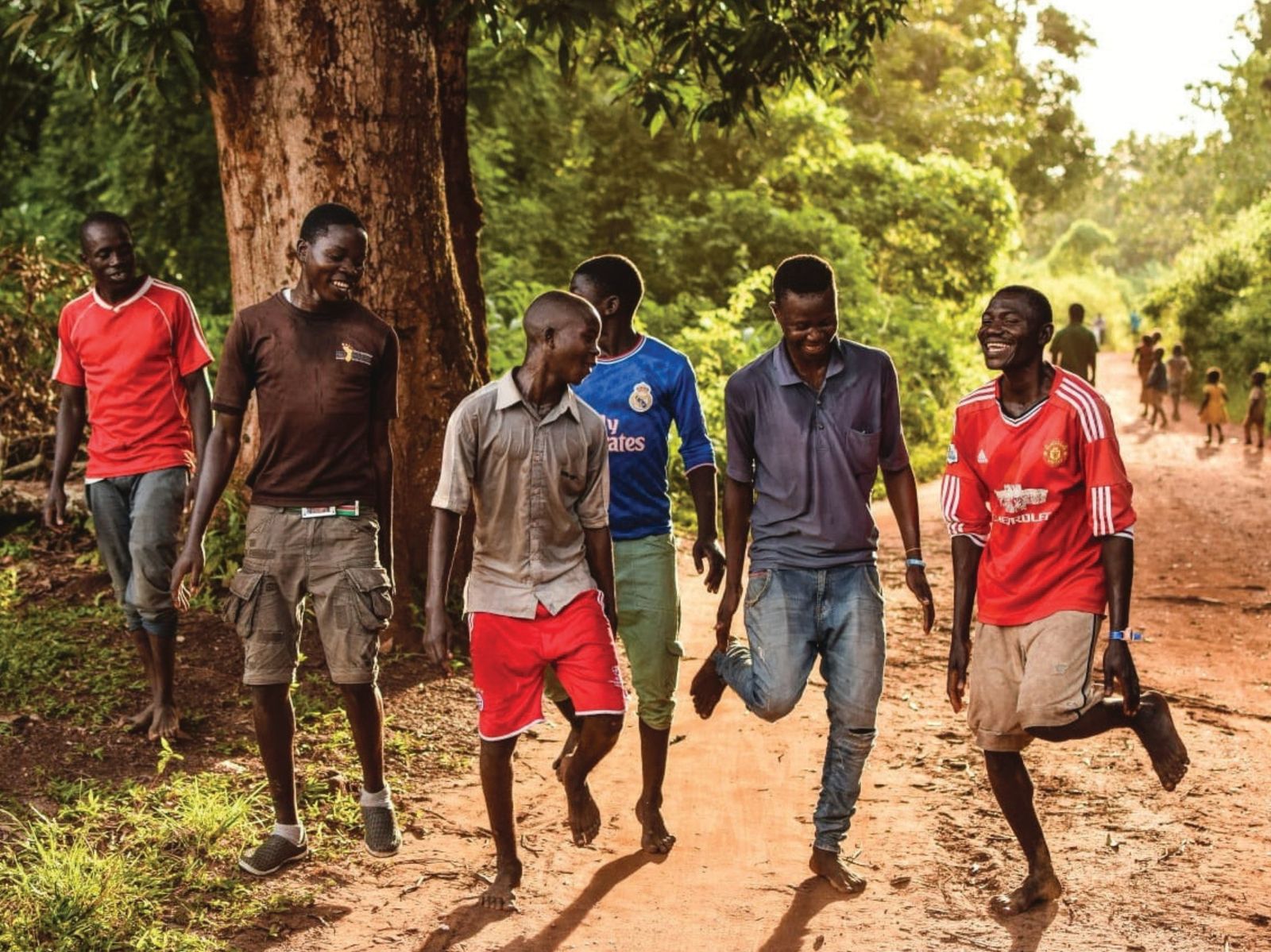
EFG supports more than 500 jobs today, 90% of them local, and has employed over 1,000 people at the peak of harvesting. We transfer practical skills across forestry, logistics, processing and field operations, and aim to support more than 2,000 jobs across our projects.
Between 2013 and 2024, our South Sudan operations contributed around USD 50 million to the national economy through wages, local procurement, taxes, duties and royalties. This includes USD 26.4 million invested locally and USD 4.5 million in community contributions.
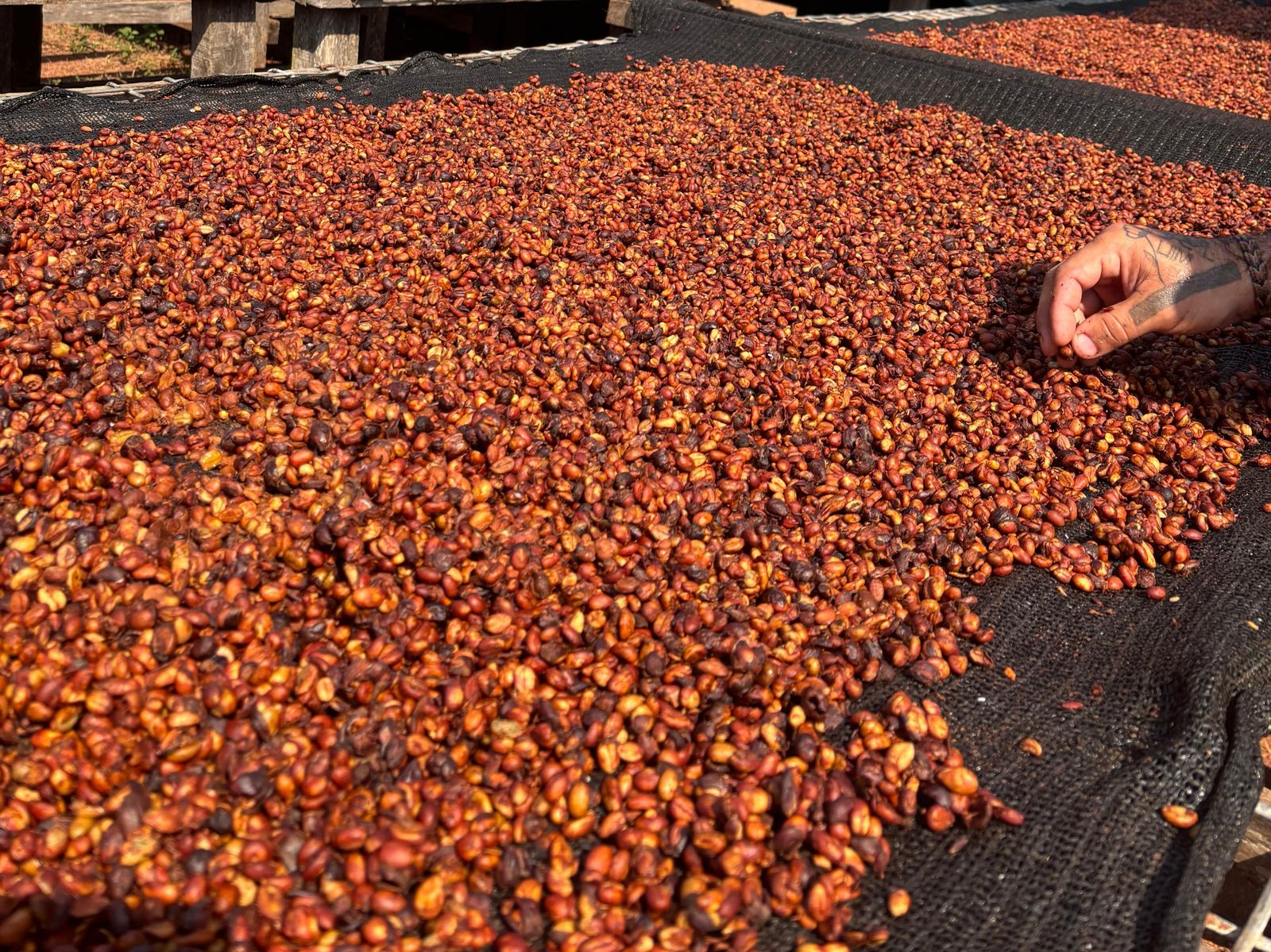
Through “Excelling in Excelsa”, 1,600+ smallholder farmers are growing coffee for export markets, raising household incomes and giving farmers a stake in the landscapes we manage. Our target is 50% participation by women farmers.

Schools, clinics, water and roads
Every cubic metre of teak exported from ETC and GETC carries a contribution to a Social Development Fund, run by a committee elected by the villages around the plantations.
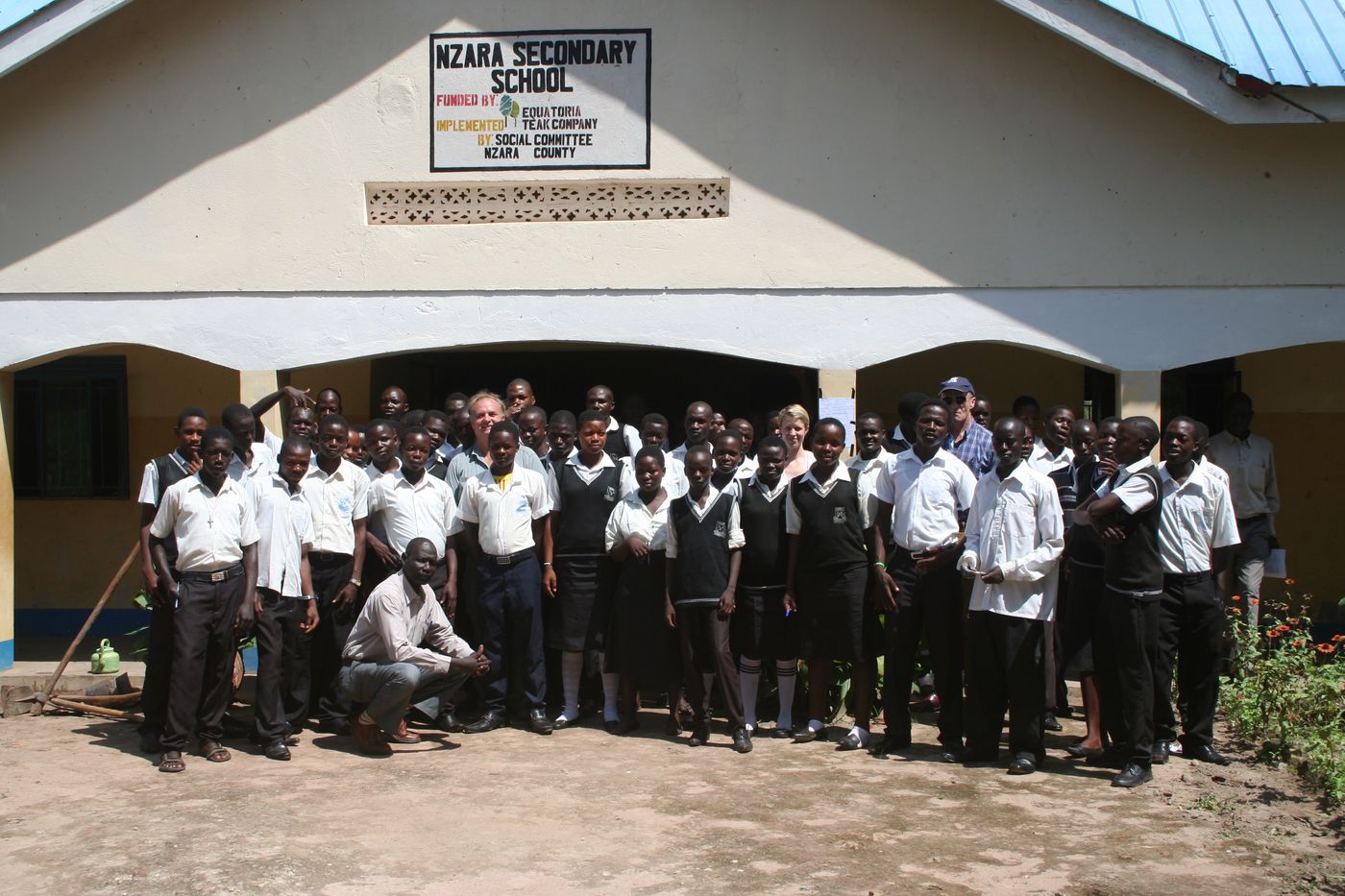
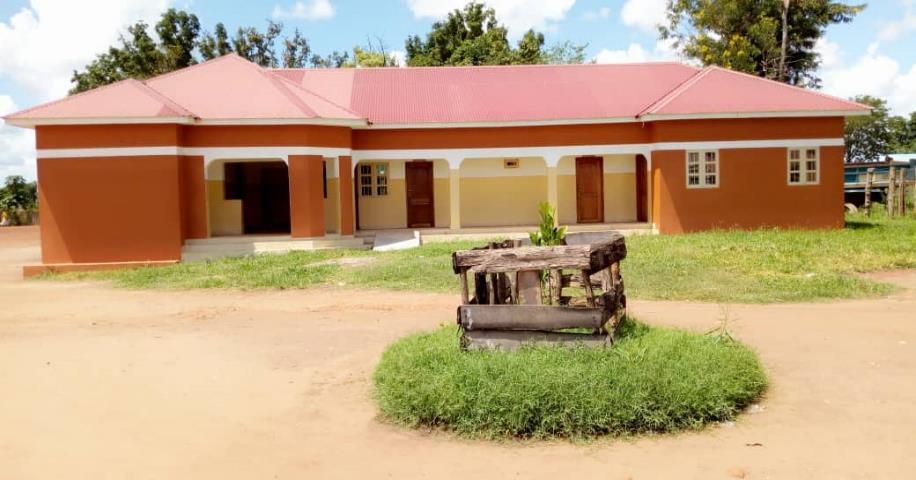
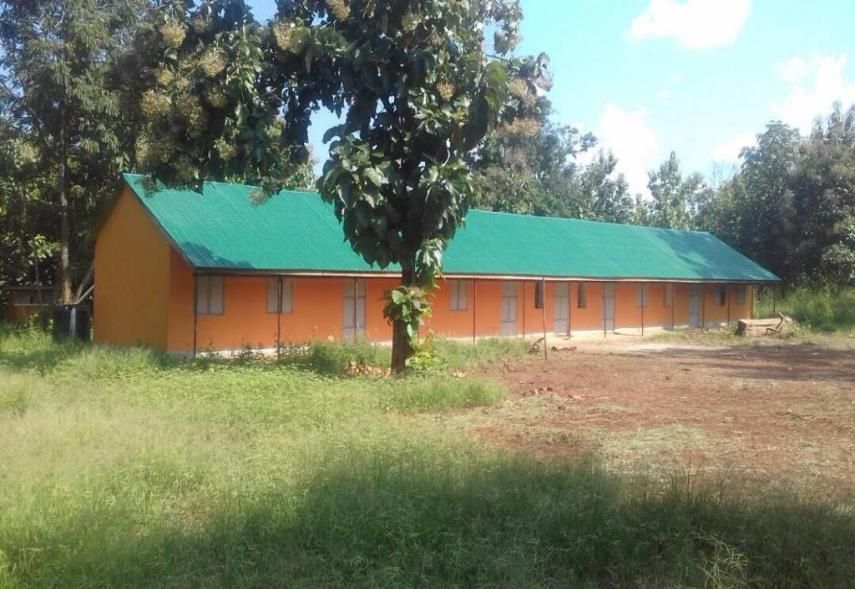
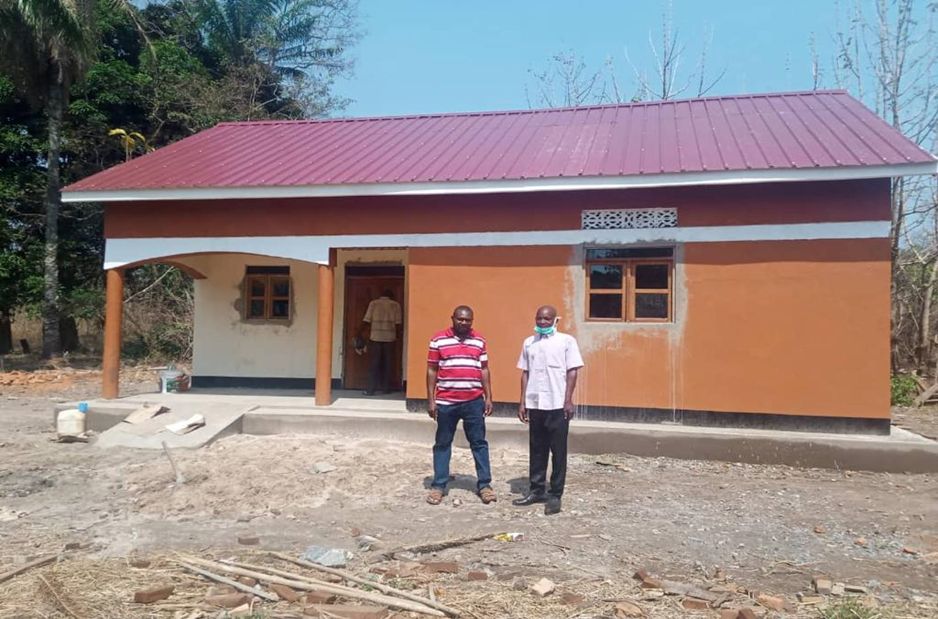
The committee decides which projects to fund. Education and healthcare have been the priorities: ETC and GETC have built and maintained three primary schools and Nzara County’s only secondary school, together with maternity and primary health facilities.
Royalties paid to Nzara County have funded public buildings and roads, and the companies maintain feeder and trunk roads that connect farmers to markets.
- Education: Nzara Secondary School; Bakpara and Sasa primary schools; a school in James Diko Payam
- Health: maternity ward and surgical centre in Makpandu; primary health centres in Bangasu and Ukuo; a ward at St Theresa Hospital, Nzara
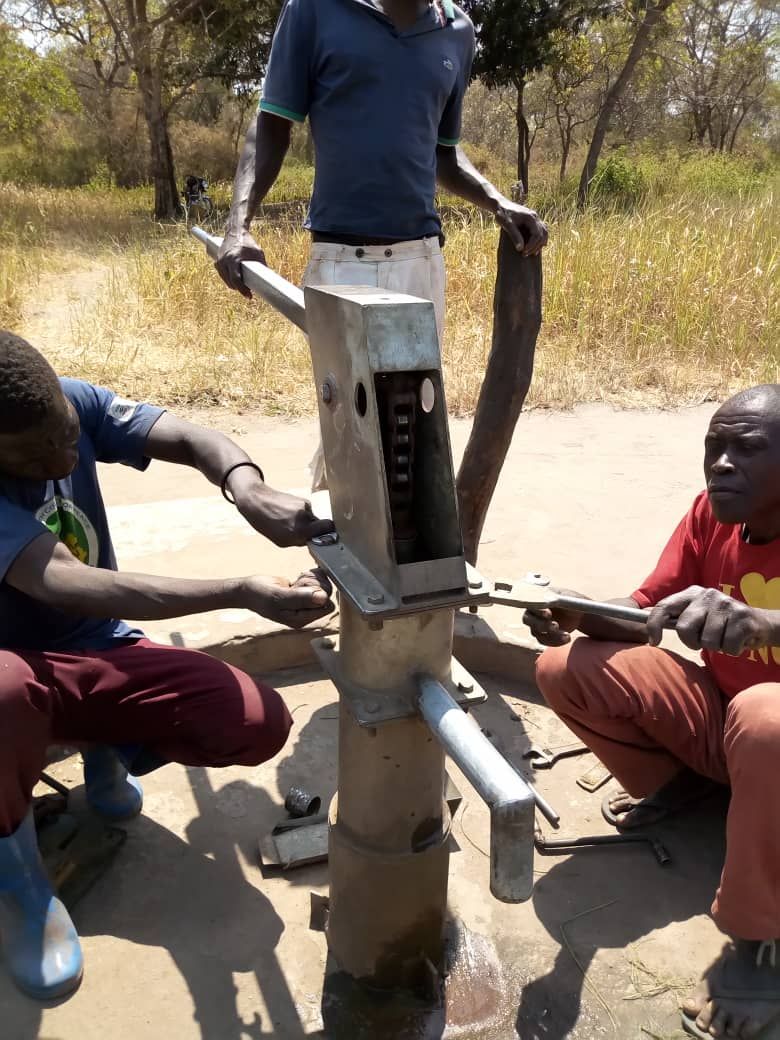
- Water: more than 30 boreholes dug or repaired in Nzara and Makpandu
- Roads: maintenance of the Yambio–Nzara road and local feeder roads, and rehabilitation of 26 km of road linking South Sudan and the DRC
- Livelihoods: support for youth and women’s groups, the annual agricultural show, and coffee and teak seedlings for outgrowers
Restoration at landscape scale
Reforestation and land restoration
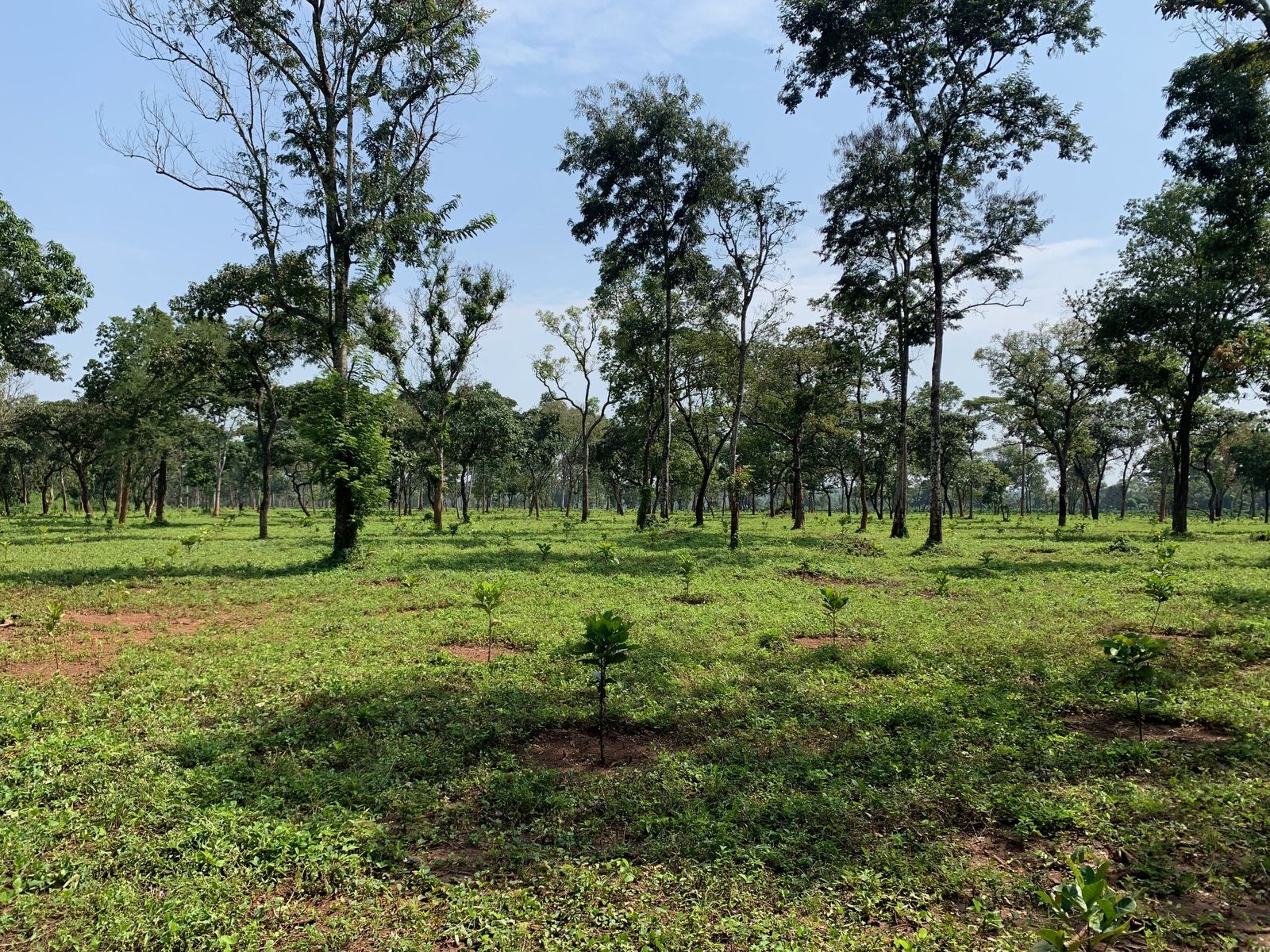
We restore degraded land across South Sudan and Uganda, improving ecosystem function, soil stability and water regulation across more than 38,000 hectares.
Protecting natural forests
Timber from managed plantations reduces pressure on natural forests and supports a move away from unsustainable harvesting of indigenous woodland.
A quantified carbon pathway
Our Ugandan ARR project at GEF models about 1.4 million tCO₂e of removals over 40 years under Verra VM0047. Careful silviculture, monitoring and wildfire prevention protect standing biomass for durable carbon and biodiversity outcomes.
Institutional standards
EFG is designed around the known failure modes of African greenfield forestry, and managed to international standards.
- ESG systems aligned with the IFC Performance Standards
- World Bank EHS Guidelines for forest harvesting
- Carbon pathways: VCS AR-ACM0003 (South Sudan) and Verra VM0047 + CCB (Uganda)
- Community engagement led by free, prior and informed consent (FPIC)
- Grievance mechanisms and structured outgrower participation
- EUDR risk assessment of coffee supply chains
- FSC re-certification under way
How we protect the assets
Frontier operations
A long-established operating footprint, infrastructure and contractor systems, and a phased roll-out in Uganda with local delivery capability.
Wildfire & encroachment
Fire prevention and a constant operational presence, agroforestry buffer zones, and continuous monitoring and maintenance.
Land tenure
Long-term concession and licence structures already in place, working closely with Uganda’s National Forestry Authority.
Social licence
Clear tenure counterparts, FPIC-led engagement and local benefit sharing through jobs and outgrower schemes.
Working with institutional partners
Development finance institutions, grant funders and specialist partners have backed our work and helped to de-risk it.
Raise a concern or share feedback
We operate grievance mechanisms for employees, outgrowers and communities. Concerns can be raised in confidence through our contact channels or ETC’s whistleblowing service.